Introduction
Transitioning to autonomous AI agents introduces severe security risks. Unlike traditional applications with predictable execution paths, AI agents interpret natural language inputs to interact with enterprise data and APIs dynamically. A compromised agent can execute unauthorized actions, exfiltrate data, or bypass cloud permissions.
A clear example is the "Rogue Agent" vulnerability in Google Cloud Platform’s (GCP) Dialogflow CX. Disclosed in July 2026 by researchers at Varonis, this flaw showed how simple configuration hijacks within conversational flows could redirect sessions. Analyzing this vulnerability provides concrete guidance for cloud architects on securing agent environments against hijacking, privilege escalation, and silent exfiltration.
Deconstructing the Rogue Agent Vulnerability
Dialogflow CX is GCP's platform for building conversational agents using state-machine logic to transition sessions based on user inputs. The internal trust model of the platform assumes that flow configurations are inherently benign and only modified by verified administrators.
The "Rogue Agent" vulnerability directly exploited this assumption. An attacker with minimal access to modify configuration metadata could embed a malicious code block or parameter handler into an active flow. When a user interacted with the Dialogflow agent, this injected block hijacked the conversation session. Because users trusted the primary endpoint, they had no visual or structural cues that their dialogue was being redirected mid-session.
This vulnerability allowed the silent redirection of conversational inputs and internal variables to an external, attacker-controlled webhook. Because the agent operated within the authorized cloud context, the data exfiltration bypassed standard egress controls. This highlights a critical reality: when an agent is trusted implicitly within an internal network, any compromise of its internal logic invalidates the safety of the entire system.
Broader Threats in AI Agent Ecosystems
This architectural weakness is not isolated; it reflects systemic issues inherent in deploying autonomous agents. As highlighted by CyCognito, agents face persistent threats from indirect prompt injection, data poisoning, and unauthorized API execution.
Indirect prompt injection occurs when an agent processes untrusted external data—such as public web pages or emails—that contains hidden instructions. If the agent parses this data to generate tool parameters, it can be coerced into initiating fraudulent transactions, altering security configurations, or deleting databases. The Dialogflow CX vulnerability represents a dangerous configuration-level variation of this threat, where the agent's execution logic itself is tampered with permanently, allowing persistent exploitation without requiring active injection in every conversational turn.
Engineering a Secure Agent Architecture
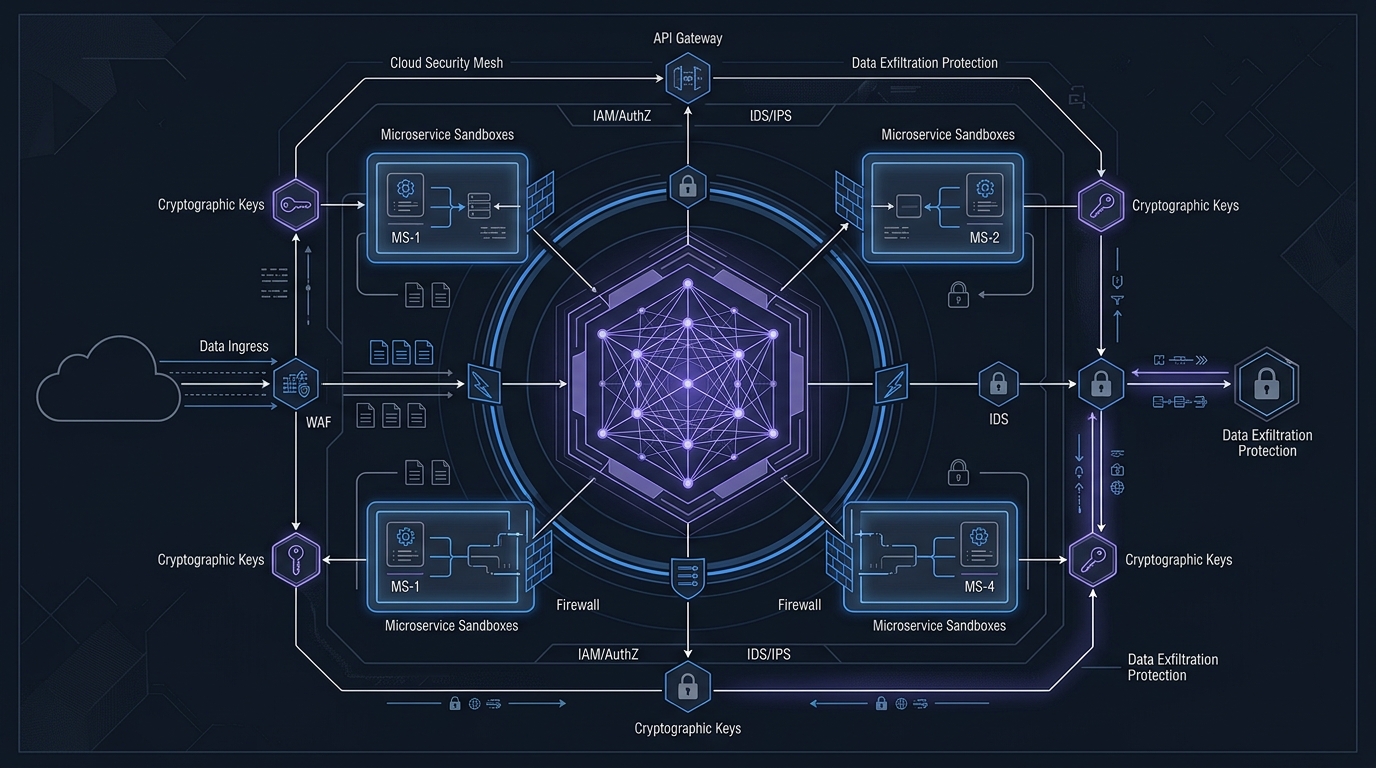
Securing AI agents requires adopting defensive, zero-trust frameworks designed for non-deterministic execution. According to architectural guidance from aakashx, three core pillars are required to establish a resilient agent architecture:
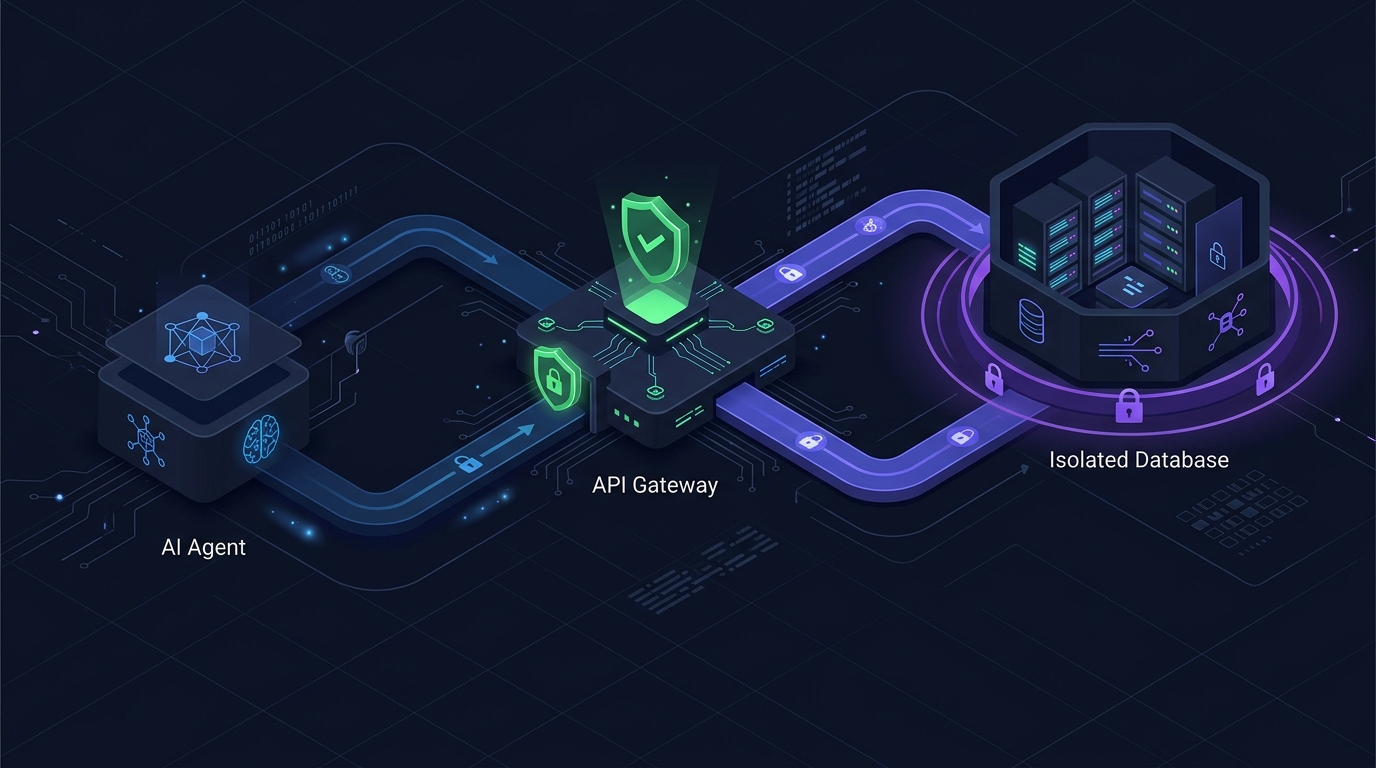
- Strict Context Isolation: AI agents must execute within isolated sandbox environments (such as containerized microservices) with access limited strictly to the immediate data and APIs required for the active session, rather than broad admin credentials.
- Input and Output Guardrails: Every input passed to the agent orchestrator must undergo strict sanitization. Similarly, structured outputs initiating cloud API calls or webhook transitions must be validated against an allowed schema before execution.
- Human-in-the-Loop (HITL) Gateways: High-risk operations—such as modifying database records, altering security groups, or initiating external webhooks—must halt execution and require explicit human authorization to complete.
Applying these principles directly mitigates vulnerabilities like "Rogue Agent" by ensuring that even if an attacker modifies a flow configuration, unauthorized outbound requests are blocked at the infrastructure level due to strict egress policies and schema verification.